



Introduction
If you’ve ever needed a truck quickly—whether for moving furniture, delivering goods, or running a business—you’ve probably come across Fluid Truck. But one question keeps popping up:
What does fluid truck deliver?
At first glance, many people assume Fluid Truck works like traditional delivery companies. But the truth is a bit different—and understanding it can save you time, money, and confusion.
In this detailed guide, we’ll break down everything you need to know about what does fluid truck deliver, including how it works, what items are involved, pricing, pros and cons, and real-life examples. Whether you’re a business owner or just someone planning a move, this article will give you complete clarity.
What Is Fluid Truck?
Before answering what does fluid truck deliver, let’s understand the platform itself.
Fluid Truck is a truck rental platform that allows users to rent commercial vehicles on demand. Think of it as the “Uber for trucks,” similar to how Uber works for rides.
Key Features:
- On-demand truck rentals
- Mobile app-based booking
- No long-term contracts
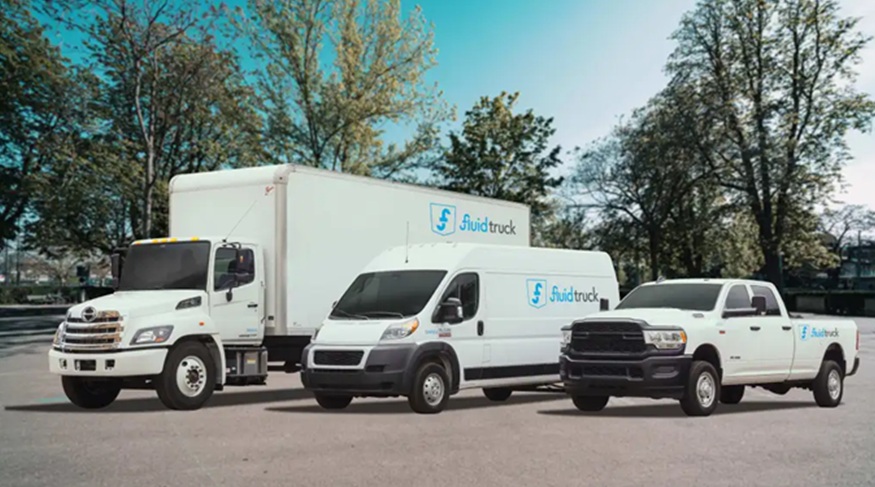
- Multiple vehicle options
Unlike traditional delivery services, Fluid Truck doesn’t directly transport goods for you.
What Does Fluid Truck Deliver? (Detailed Explanation)
The Simple Answer
Fluid Truck does not deliver items itself.
Instead, the answer to what does fluid truck deliver is:
Fluid Truck provides vehicles that YOU use to deliver items.
This means:
- You rent a truck
- You drive it
- You handle the delivery
Important Clarification
Many users confuse Fluid Truck with companies like:
- FedEx
- UPS
- Amazon
Those companies deliver packages for you.
But when asking what does fluid truck deliver, the correct understanding is:
It enables delivery
It does not perform delivery itself
Types of Items Fluid Truck Helps Deliver
Even though Fluid Truck doesn’t directly deliver, it supports transporting many types of items.
Here’s what users typically deliver using Fluid Truck:
1. Furniture
- Sofas
- Beds
- Tables
- Cabinets
Perfect for home moving or buying items from stores.
2. Packages and Parcels
- E-commerce deliveries
- Bulk shipments
- Courier packages
Great for small business owners.
3. Business Goods
- Inventory stock
- Equipment
- Office supplies
4. Construction Materials
- Cement bags
- Tools
- Machinery
5. Perishable Goods (with special trucks)
- Food products
- Groceries
- Cold storage items
6. Personal Items
- Luggage
- Bikes
- Household items
So when people ask what does fluid truck deliver, the better question is:
“What items can I deliver using Fluid Truck?”
Answer: Almost anything you can transport legally.
How Fluid Truck Works (Step-by-Step)
Understanding how it works makes what does fluid truck deliver even clearer.
Step-by-Step Process:
- Download the App
Available on mobile platforms. - Create an Account
Add your ID and payment details. - Choose a Vehicle
- Cargo van
- Pickup truck
- Box truck
- Select Location & Time
Pick nearby vehicle availability. - Unlock the Truck
Using your phone. - Use the Truck
Load items and deliver them. - Return the Vehicle
Drop it back after use.
Fluid Truck Services Explained
Here are the main fluid truck services:
1. On-Demand Rentals
Rent trucks anytime.
2. Short-Term & Long-Term Rentals
Flexible duration.
3. Location-Based Access
Vehicles parked in multiple areas.
4. Specialized Trucks
Refrigerated trucks available.
Pricing and Availability
Pricing varies depending on:
- Location
- Truck type
- Duration
- Mileage
Typical Cost Range:
- $15–$30 per hour
- $80–$200 per day
Availability is mainly in:
- United States cities
- Expanding urban areas
Benefits of Using Fluid Truck
When exploring what does fluid truck deliver, the benefits become clear.
Key Advantages:
- No ownership needed
- Flexible rental
- Cost-effective
- Easy app access
- Ideal for businesses
Pros and Cons
👍 Pros:
- On-demand access
- Variety of vehicles
- Affordable pricing
- Great for DIY delivery
👎 Cons:
- No driver included
- Limited availability in some regions
- Requires driving skills
Fluid Truck vs Traditional Delivery Services
| Feature | Fluid Truck | Traditional Delivery |
|---|---|---|
| Delivery handled by | You | Company |
| Flexibility | High | Limited |
| Cost | Lower | Higher |
| Control | Full | Limited |
| Speed | Depends on you | Scheduled |
Comparison Table (Fluid Truck vs Competitors)
| Platform | Type | Driver Included | Best For |
|---|---|---|---|
| Fluid Truck | Truck rental | ❌ No | DIY delivery |
| Zipcar | Car sharing | ❌ No | Small transport |
| U-Haul | Truck rental | ❌ No | Moving homes |
| FedEx | Delivery service | ✅ Yes | Shipping packages |
Real-Life Use Cases
1. Small Business Owner
Delivers products locally without hiring a courier.
2. Moving House
Transports furniture in one trip.
3. Retail Pickup
Collects bulk items from stores.
4. Gig Drivers
Use trucks for last-mile delivery.
Tips for Using Fluid Truck Efficiently
- Book in advance
- Choose the right truck size
- Plan delivery routes
- Avoid peak hours
- Check vehicle condition
Common Mistakes to Avoid
- Renting a truck too small
- Ignoring fuel costs
- Not checking availability
- Overloading the vehicle
- Late returns
FAQ
1. What does fluid truck deliver exactly?
Fluid Truck does not deliver items—it provides trucks so you can deliver goods yourself.
2. Can Fluid Truck deliver packages for me?
No, unlike UPS, you must handle delivery.
3. What items can I transport?
Furniture, goods, packages, equipment, and more.
4. Is Fluid Truck available worldwide?
Currently, it is mainly available in the U.S.
5. Do I need a special license?
Usually no, a standard driver’s license works.
6. Is it cheaper than delivery services?
Yes, especially for bulk or frequent deliveries.
7. Can businesses use Fluid Truck?
Yes, it’s ideal for logistics and operations.